Managing Home Maintenance Costs


Fall Home Maintenance

October 21st, 2011 admin Posted in Maintenance No Comments »

Well it is mid Oct and it is time for that fall home inspection in preparation for the winter, especially in northern climates.  Inspecting your home on a regular basis and following good maintenance practices is the best way to protect your investment in your home during the winter months.

If you do not feel comfortable performing some of the home maintenance tasks listed below, or do not have the necessary equipment, for example a ladder, you may want to consider hiring a qualified any person to help you. There are many handyman service companies that abound in very city that will do this type of work. If you need general work done, a general handyman is ok and not too expensive, however for furnace maintenance as an example, you are better off to hire the professionals.

Performing these checks and steps will not only save you money, but will ensure that your home continues to look great. Perform any repairs to any areas that you notice during the performance of your check list. Here is our list of items to consider on your checklist:

  • Furnace or heating system serviced by a qualified service company every two years for a gas furnace, and every year for an oil furnace, or as recommended by the manufacturer.
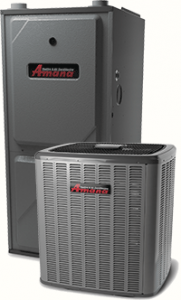
  • If you have central air conditioning, cover and protect the outside unit with a tarp or cover that comes with the unit. Turn the power off to the AC so there is no danger of the system running with this cover in place. The cover will protect your outdoor unit from damage from debris, ice and snow.
  • Lubricate circulating pump on a hot water heating system if you have one.
  • Bleed air from hot water radiators.
  • Connect the power to the furnace and examine the forced air furnace fan belt, if installed, for wear, looseness and noise. Clean fan blades of any dirt buildup.
  • Check chimneys for obstructions, such as a bird or squirrel  nest, before turning on your furnace.
  • Vacuum electric baseboard heaters to remove dust.
  • Remove the grills on forced air systems and vacuum inside the ducts.
  • Turn on gas furnace pilot light, set the thermostat to heat, and test the furnace for proper operation by raising the thermostat setting until the furnace starts to operate. Once you have confirmed proper operation, return the thermostat to the desired setting.
  • Check and clean or replace furnace air filters each month during the heating season. Ventilation system, such as heat recovery ventilator, filters  should be checked every two months.
  • Check to see that the duct work leading to and from the heat recovery ventilator is in good shape, the joints are tightly sealed in any depth installation of plastic duct wrap is free of tears and holes.
  • If the heat recovery ventilator has been shut off for the summer, clean the filters and the core, and pour water down the condensate drain to test.
  • Check smoke, carbon monoxide and security alarms, and replace batteries. Detectors should be replaced every seven years.
  • Clean portable humidifier, if one is used and install a new foam dispenser.
  • Check to see that the bathroom exhaust fans and arrangements are operating properly. If possible, confirm that you are getting good airflow by observing the outside vent exterior damper which should be held open by the airflow.
  • Check sump pump  and line to ensure proper operation, and to ascertain that there no line obstructions or visible leaks.
  • Replace window screens with storm windows.
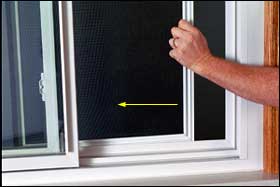
  • Remove interior insect screens from Windows to allow air from the heating system to keep condensation off window glass and allow more free solar energy into your home.
  • Ensure windows and skylights close tightly; repair or replace weatherstripping as needed.
  • Insure all doors to the outside shut tightly, and check other doors for ease of use. Replace your weatherstripping if required.
  • If there is a door between your house and garage, check the adjustment of the self-closing device to ensure it closes the door completely.
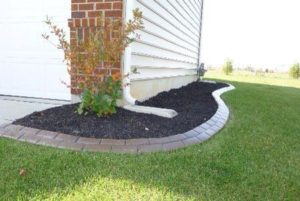
  • Insure that the ground around your home slopes away from the foundation wall, so that water collect against the wall and does not enter into your basement.
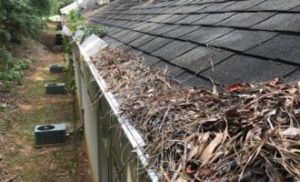
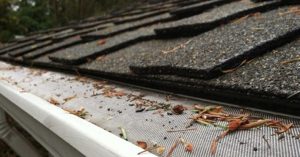
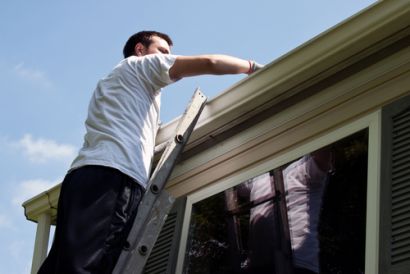
  • Clean leaves from the eaves trough and roof and test downspouts to ensure proper drainage from the roof.
  • Drain water from outdoor hoses. Clean interior valves to outdoor hose connection and drain the hose bib ( exterior Faucett), unless your house has frost proof bibs.
  • Have well water tested for quality. It is recommended that you test for bacteria every six months.
  • If you have a septic tank, measure the slide and scum to determine if the tank needs to be emptied before the spring. Tanks should be pumped at least once every three years.
  • Winterize landscaping, for example, store outdoor furniture, prepared gardens and if necessary protect young trees or bushes for winter.

If this list appears a bit daunting, schedule an activity every day and you will be surprised at how quickly it is finished. Comments are welcome concerning anything that we might have missed.

AddThis Social Bookmark Button

Cleaning and Caulking Shower Tiles

July 21st, 2011 admin Posted in Maintenance No Comments »

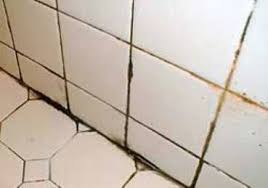
Cleaning and caulking shower tiles is potentially a big money saver if you follow a regular maintenance schedule. Showers are exposed to regular moisture contact and as long as the grout between the tiles is complete, no water will penetrate through to the drywall behind. The moment that even a small pin hole is created, moisture starts to penetrate through the pin hole, causing the grout to swell and once it penetrates the drywall behind the tile, this also expands as well. We have added a couple of pictures to show the kind of damage that can result from just a little bit if water getting behind the tiles and causing the drywall behind the tiles to expand.

Expansion of either the grout or the drywall will cause the tiles to begin to shift and be pushed outward, which may cause them to crack or to even fall off the wall in particularly bad situations. Once this happens you are into a major repair which can cost thousands of dollars. This is why it is so important to check your tiles and the grout between them at a minimum of once every 3 months. Look for small areas were the grout is loose or has fallen out and replug with new water proof grout. Patching like this will prevent water from penetrating behind the tiles causing damage to your shower walls.

Checking Your Tile Grout in Your Shower

This is an easy job and only takes a few minutes to check your shower. I use a toothbrush to rub any suspect areas and also clean the grout if needed. Most times there is nothing to do, since the grout is solid and there are no observable gaps. But every once and a while, I have found areas were the grout has actually fallen out from between the tiles. They can be as short as a quarter inch long, while others are as long as an inch. Either way you must plug these immediately to avoid long term expensive damage.

Repairing the Missing Grout

I use a tube of silicon grout that I squeeze into the hole were the grout is missing. It is the same color as the existing grout, however because it is silicon, it does have a different texture from the existing grout. I am ok with this, since I am mainly worried about the leaks more than the look. Besides there is not that much difference in the grout that is there from the silicon grout that I put in. You can pick up a tube of this silicon grout from most hardware stores as well as plumbing stores. A $5 tube is infinitely better than many thousands it will cost to repair a shower. Of course once you start the shower, it usually means that you redo the entire bathroom, tub, sinks, toilet, mirrors, flooring and paint.

Delaying this huge cost as long as possible is a no brainer as far as I am concerned! Follow the instructions on the tube, making sure that you dislodge any grout that is loose between the tiles first. Let it dry for 24 hours and you can use your shower again.

What are the Costs to Fix the Show Tiles

Let’s assume that you don’t bother to perform this routine check and repair every 3 months. Your tiles are dislodged and about to fall off. It looks really bad and there is also black mold forming on the grout and even in the tiles. Your spouse decides that not only do they want the shower fixed, they are going to update the entire bathroom! What will this cost.

Of course the cost will be design dependent and also dependent on whether you do the work or you hire professionals to do the work for you. My neighbor is the type that does not do the 3 month check ever! He also does not do anything himself, so he is forced to hire people all of the time. He has estimates for updating his bathroom that are in the range of $25,000 to $30,000! Can you imagine spending this much money on a bathroom?

Get off your chair and check the bathroom shower tile right now and make the repairs immediately. You will save many thousands of dollars by doing this simple activity!

Comments are welcome about this subject and others.


AddThis Social Bookmark Button

Spring Home Maintenance

March 7th, 2011 admin Posted in Maintenance, Seasonal No Comments »

As we prepare this post, the days are getting longer and depending were you live the snow may beginning to melt which indicates that spring is just around the corner. It is time to take stock of your home and note any damage that might have occurred around your home during the winter months. Winter can be hard on a home, your plants and out buildings, so this is a good time to plan all of your spring home maintenance tasks.

Inspecting your home on a regular basis and following good maintenance practices is the best way to protect your investment in your home. If you do not feel comfortable performing some of the home maintenance tasks listed below, or do not have the necessary equipment, for example a ladder, you may want to consider hiring a qualified any person to help you. Even if you are going to do some of the more minor spring maintenance activities always complete your work with safety in mind.

Here is our checklist of items you may want to look at:

  • If you have central air conditioning, make sure the drain pan under the cooling coil mounted in the furnace is draining properly and is clean.
  • Lubricate circulating pump on a hot water heating system.
  • Bleed air from hot water radiators.
  • Disconnect the power to the furnace and examine the forced air furnace fan belt, if installed, for wear, looseness and noise. Clean fan blades of any dirt buildup.
  • Vacuum return vents and cold air return vents to remove any dust buildup
  • Remove the grills on forced air systems and vacuum inside the ducts.
  • Check and clean or replace furnace air filters each month during the cooling and  heating season. Ventilation system, such as heat recovery ventilator, filters  should be checked every two months.
  • Check to see that the duct work leading to and from the heat recovery ventilator is in good shape, the joints are tightly sealed in any depth installation of plastic duct wrap is free of tears and holes.
  • Check smoke, carbon monoxide and security alarms, and replace batteries.
  • Clean portable de-humidifier, if one is used.
  • Clean humidifier, if one is used and turn off the water supply
  • Check to see that the bathroom exhaust fans and arrangements are operating properly. If possible, confirm that you are getting good airflow by observing the outside vent exterior damper which should be held open by the airflow.
  • Check sump pump  and line to ensure proper operation, and to ascertain that there no line obstructions or visible leaks.
  • Replace  storm windows with window screens
  • Ensure windows and skylights close tightly; repair or replace weatherstripping as needed.
  • Insure all doors to the outside shut tightly, and check other doors for ease of use. Replace your weatherstripping if required.
  • If there is a door between your house and garage, check the adjustment of the self-closing device to ensure it closes the door completely.
  • Remove cover from the air-conditioning units and turn on power.
  • Insure that the ground around your home slopes away from the foundation wall, so that water does not enter into your basement.
  • Clean leaves from the eaves trough and roof and test downspouts to ensure proper drainage from the roof.
  • Install outdoor hoses and turn on indoor valves.
  • Have well water tested for quality. It is recommended that you test for bacteria every six months.
  • If you have a septic tank, measure the slide and scum to determine if the tank needs to be emptied during the summer. Tanks should be pumped at least once every three years.
  • Remove winterizing landscaping material, for example, prepared gardens and if necessary protect young trees or bushes for winter.
  • Set up all lawn furniture, inspect fences and gates for damages or movement due to frost
  • Rake the lawn, remove all debris from the winter and add fertilizer once the ground is unfrozen
  • Plant flowers, shrubs etc at the appropriate time for your area and climate.

We hope that this list helps you in the maintenance of your home. Doing some or all of the above will help to prevent serious problems from occurring which will cost you much more money and time. If any of our readers have comments or additional ideas, please feel free to leave a comment.

AddThis Social Bookmark Button

Electrical Work Around the Home

August 7th, 2010 admin Posted in Maintenance 1 Comment »

Many people are afraid to make any changes to anything to do with electricity around the home. They should be careful  and if they do not know what they are doing, should really call an electrician in to make any changes or adjustments to wall switches, lights or electrical circuits. After all, making a mistake can be costly in terms of money as well as personal injury. At the same time calling an electrician to change a wall switch or to replace a ceiling fixture can also be very expensive. For them it is an easy job and takes 20 to 30 minutes to complete along with travel time. So it is profitable time spent for an electrician, and an expensive hour for the home owner.

There are basic rules to follow when doing any kind of electrical work around the home. We will cover these rules in our post, however please call an electrician to do some of this work if you do not know what you are doing or are nervous about working with electricity.

Turn the Power Off

This is the most basic of rules and applies in every situation that you as a home owner will every be involved in. Always turn the power off your self and test the circuit to make sure it is not live before doing any work. In my younger days, an older person was emphatic that he had turned the power off. Fortunately I had been trained to always test that the circuit is not live before doing any work, so I touch the bear wire against the back of a stove first and saw the sparks fly!

Always do it your self! Pull the fuse, turn the circuit breaker off and make sure that there is no power on. I always turn on a light or some device on the circuit I am going to work on and them pull the fuse. When the light goes out, I know I have the right circuit and there is no power going to that switch or light that I am going to work on. Pretty simple, but it works and I avoid lots of other problems when I am doing electrical work around the home.

Match the Colours

Another tip if you are planning to do the work yourself is to always match up the colors. This means connect the white wire of the lamp with the white wire of the feed circuit, and the black with the black. Always attach the ground wire which is usually green to the metal box that you are attaching the lamp or the light switch to. If you match the colors you usually cannot go wrong, especially for the simple jobs.

Ground the Circuit Properly

The circuit should always be grounded properly. If you do not know how to do it, then hire an electrician. Follow the rule above and connect the green wire to the metal housing of the box. When your home is wired by the builder, all electrical outlets are grounded. All Switches and lights and plugs have a ground wire which should be connected to this metal box to ensure that the lamp etc is also grounded.

Test your Connections

Once you have connected the wires either with a Mar connector or by attaching them using a metal screw to a connection post, give the wire a good tug to make sure that it is secure. If it is loose redo the connection to make sure that it is solid. Once all of the connections are made, turn the power on and make sure that it works as planned. If it does not operate properly, turn the power off and re-check the connections including the light bulb if you are connecting a lamp of some sort.

Avoid touching Bare Wires

Even if you are confident that the power is turned off, it is always a good idea to get into the habit of not touching the bare wires. Secondly if you have to touch a bare wire, never touch both bare wires at the same time and do not ground yourself in some manner. With the power turned off, you should not have to worry, but some day you might just make a mistake and leave the power on. Following this rule will give you another level of protection!

If in Doubt Call an Electrician

After all of this, if you feel uncomfortable, spend the money and hire a certified electrician to have the job done right. Your house will be safe, you will be safe and there will be no doubt about any accidents or accidental fires from bad connections.

Electricians may cost as much as $100 an hour, but when you consider the alternative, the money is nothing compared to a burn or electrocution.

We invite comments from readers and suggestions on our blog. Feel free to make comments, however spam comments will be deleted. Also negative comments or obnoxious comments will also be deleted.

Enjoy our blog and look for more to be added every few weeks.

AddThis Social Bookmark Button

Save Money-Auto Oil Changes & Servicing

July 28th, 2010 admin Posted in Maintenance 2 Comments »

You may be tempted to perform your own oil change on your car or truck to save a few dollars. All we can say here is make sure you know what you are doing before you make the attempt. Practice safe working conditions, use the right tools, use the right oil, replace the oil filter each time and dispose of the old oil properly.  We will cover each of these items in more detail, however unless you are prepared to follow safe working conditions, do not attempt this.  Too many people have been hurt, even killed by their cars and trucks while doing their own maintenance to save a few dollars. It is just not worth it if you do not know what you are doing and hurt yourself badly.

Oil changes in Canada routinely cost from $35 to over $50 depending on the make and model of car. At these prices it can be worth it to change your own oil. However in the United States our experience has been much lower prices in the range of $20 to $30, sometimes with a free car wash thrown in!

Safe Working Conditions

This is the most important section. If you screw this up it could be your life you lose! With most vehicles, they need to be jacked up sufficiently to allow you to slide underneath and undo the oil pan plug to remove the oil from the oil pan.

This is the dangerous part. If you need to jack up the auto in any way, always add safety support in the form of safety jacks so that if the main jack gives way, you have additional support for the car. Make sure the parking break is on and the car is in gear in the case of a standard and in park in the case of an automatic. You do not want the car rolling while you are under it. Also place block in front and behind the rear tires as an additional precaution.

Once you are confident that the car is well supported, gather all of your tools that you will need and make sure that everything is in readiness. You want to minimize the time you spend under the car or truck. some trucks will not need to be raised at since there is enough space between the ground and the oil pan for you to get underneath.

One final item, remove the keys from the ignition and do not allow anyone in the vehicle while you are working on it or underneath it. You do not want any accidents caused by someone playing and accidentally releasing the parking break etc. Absolutely no one should be in the vehicle while you are working on it.

Use the Right Tools

The tools are pretty simple. A socket wrench to remove the oil plug, a pan to catch the oil, a container to place the used oil in, a new oil filter and the toll you need to remove it and finally a funnel to use to pour the clean oil into the engine. Don’t try to make do with inferior wrenches. You will likely strip the oil plug.  Never allow the oil  to drain onto the ground or onto your garage floor. This makes a terrible mess and it is not good for the environment as well.

Disposing of the oil should also be completed properly. Take the used oil to a dealer that accepts old oil or take it to your community disposal site for paints and oils. This is by far the best way. They will make sure that it is disposed of properly.

Use the Right Oil

Most engines in most climates use 5 W 30 oil, however there are many types available as well as synthetic oils that are available.  As a minimum, review your users manual for the recommended oil that you should use in your engine. If you have any doubts or want to try something different such as a synthetic oil, consult your dealer for the recommended oil that can be used. It is just not worth it to save a few dollars using cheaper oil. Repairs to your engine can be in the thousands of dollars!

Replace the Oil Filter

Always replace the oil filter each time you change the oil. The oil filter is supposed to capture impurities that might find their way into the oil and you do not want them staying were they could reenter the engine oil circulation system. Empty the engine oil first and then remove the oil filter being careful to not allow the oil in the oil filter to drip in the engine or onto the floor.

Always replace the oil filter with a recommended brand. This way you will know that you have a good quality oil filter. Sometimes you may find others that are cheaper, however just make sure it is recommended for your car and accepted by your dealer. This is one of the few times we will recommend spending more money for a quality product, since the risk and cost of ruining your engine is just too great and too expensive!

Dispose the Old Oil Properly

We are all into conservation and the green movement and so we should. Take your used oil to a recognized facility that will accept it and dispose of it properly. Every community has a facility like this these days, although they may be at specific times of the year. Some dealers will accept used oil, especially if you purchase the oil filter and oil from them. You should really talk t them first and not just drop it off. After all they have to pay a fee to dispose of the oil and it is not fair to them to just drop it off.

We hope that this post is a benefit to many people and helps you save a few dollars. However do not try to save a few dollars if you are not also going to practice safe work conditions. Don’t risk your life or a major accident to save a few dollars. Comments on the post greatly appreciated.

AddThis Social Bookmark Button

Maintaining Your Garage Door

May 21st, 2010 admin Posted in Maintenance 8 Comments »

Maintaining Your Garage Door is probably one of the last things you think about doing, however checking your garage door every 3 months can in fact save you a major repair bill or sometimes even having to replace the entire door. The garage garage doorsdoor consists of several major parts. There are the panels which everyone sees, there are the rollers that slide inside the steel tracks and there are the steel springs which acts as counterweights and make it easy for you to lift the door to open it. These same weights will also stop the door from closing too quickly from it’s own weight. Many people will also have a garage door opener as well which opens or closes the door at the press of a button.

Each of the panels are attached to each other by hinges which are bolted together and the rollers are held in place by clamps which are also bolted to the panels. So what are the basic maintenance things you need to do and why do you need to do maintenance at all on a garage door?

Catastrophic Failure of a Garage Door

Occasionally, I have seen doors come off the tracks and when powered by a garage door opener, the door continues to move and will get horribly bent out of shape. This situation can occur when the hinges become loose and separate from the panels or when the rollers which are held in place also fall off due to the bolts also becoming loose and falling away from the door. The garage door will quickly be pulled of course and as a result will be bent out of shape!

When this occurs there is very little chance that you will be able to restore the door to its original shape and will then need to invest in a new one which can cost hundreds of dollars. If you are lucky, the door will not bend and you can reattached the loose bolts, hinges and rollers and be back in business

How to Avoid Garage Failures

Routine checks are all it takes to avoid the above catastrophic failures. Start by checking each hinge on your door to confirm that the hinges and the bolts are not loose. If they are loose, use a suitable wrench to tighten up each bolt to ensure they are secure.

Next check each of the rollers. Make sure they are inside the tracks for both sides of the door and run freely inside these tracks. You may want to disconnect the automatic garage door opener from the door so that you can move the door by hand easily. Check your manual for the correct lubricant and add sufficient lubricant to the rollers to help them easily move back and forth in the tracks. Check the bolts that hold these rollers in place and make sure that they are all tight and secure. If not, tighten each one until they are secure and then recheck that the door moves freely in the tracks.

Check the Springs

A word of caution is in order for this aspect. These springs are high tension springs and depending on the location of the door can be extended increasing the tension levels. Check the springs and cables for any deterioration such as rust or fraying.  Sometime there will be surface rust, which you can ignore in most cases.  If any of the cables are frayed you should really make arrangements to get these fixed quickly before they fail and cause more serious problems.

Lubricate with Oil to Reduce Corrosion

This last step really depends on were you live and whether your garage door is exposed to corrosive elements such as salt, particularly in the winter.  Salt filled snow can be tracked into your garage by your car and when it melts runs out the opening of your garage and will come in contact with the bottom of your door. As with cars, the garage door will start to rust as the steel comes in contact with the salt water mix.

Consumers can purchase the same type of oil that is used to lubricate cars and help them resist corrosion in northern climates were salt is used on the roads. This oil comes in an aerosol can and should be sprayed along the bottom inside of the door. This oil will spread and penetrate any surface scratches and protect the door from the effects of the salt.

Spraying on a regular basis will help to prolong the life of your door and delay the eventual corrosion that will take place.

Summary

These steps are relatively simple to do and if followed up on a regular basis will help to prolong the life of your garage door and save you hundreds of dollars.

Check all hinges and bolts, tighten as required

Check all rollers and bolts, tighten as required

Check springs and cables for corrosion, replace as required

Spray bottom of garage door with preserving oil to delay the effects of salt corrosion.

Our next post will be about the garage door opener itself and how you can maintain it to ensure it lasts longer and save you money.

Feel free to leave your comments and suggestion.

AddThis Social Bookmark Button

Paint Your Windows

May 14th, 2010 admin Posted in Maintenance 1 Comment »

Painting your windows is one of the most important home maintenance activities  you can do for your home and for yourself. Many new homes are now built with vinyl frames and you do not have to paint them. Older homes, though still have window frameswooden framed windows and unless you give them the proper care, they will succumb to dry rot or wet rot from the elements. If you have ever had to replace windows, then you will know just how expensive they can be to replace. Depending on the size of the window, they can cost from as low as $200 to $1000 for larger windows. Complex windows can cost even more. Doing an entire home can literally cost thousands of dollars which most of us cannot afford.

What Happens if I Miss Even One Year

The answer to this question really depends on were you live and which direction your windows face. Believe it or not, the amount of sun your windows receive and the number of heating / cooling cycles your windows experience, have a huge impact on how long the paint will last on your wooden window frames.

Typically southern facing windows will undergo more heating and cooling cycles. The result is that the paint will after time, begin to bubble and break off. If you live in a location were you have freezing during the evening and above freezing during the day, the water will eventually get under the pain, then freeze causing the paint to bubble off. Even within one year the paint especially on the window sills can lift off exposing the wood to the elements and will begin to deteriorate very quickly.

We have found that vertical surfaces will be fine, while the horizontal surfaces such as the window sills will lose some of their paint exposing the bare wood in just 12 months.

How Should I Paint

If you really want your windows to last a long time and also to avoid misting up between window panes, you need to take care of them. You may be able to get away with just painting the window sills each year and the rest of the window every two years. Some people will say you can go for 5 years, however do not believe them. You will be replacing the entire window within 15 years if you follow that rule.

Start by checking each window and scraping away any loose paint that appears ready to bubble up or is loose. Once you complete this process, you will know how much of the window you will need to paint.

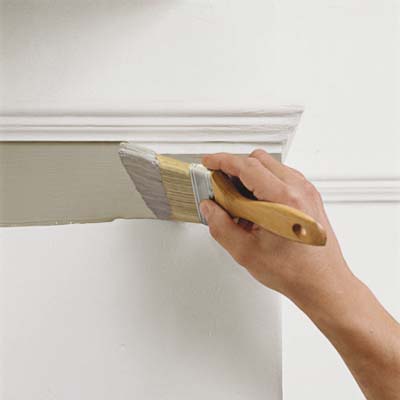
If you need to paint bare wood, it should be dry and you should use a primer first before painting with the proper outdoor paint.  Give the window you are painting a coat of paint, allow it to dry and then apply a second coat of paint. If you only paint the window sills, make sure that you have a good match in color. Even if using the same paint, it may be a different shade if there is a lot of fading due to the sun.

What if I am Afraid of Heights

Many people are afraid of heights and are not comfortable being on a ladder. Don’t take chances to save a few dollars. It is just nor worth it, especially if you have an accident and break something when you fall off the ladder.

Hire a window painter to do the job, but make sure you understand what kind of a job they will do. Some will just paint over the bubbled parts and it looks great for a little while , then the paint peels off within a few months and you have bare wood.

Make sure they will scrape first, then prime and then paint. Inspect their work at each stage and if your not satisfied, get them to do it over again. Before they start make sure there is a clear understanding of what work will be done, how it will be done and that you will be inspecting.

There are many door to door companies going around painting. Some are good while others are not. Choose with care and ask for references.

Summary

Check your windows every year for evidence of peeling and bubbling. Scrape first , then prime and then paint. If your concerned about climbing a ladder, hire a contractor, however be specific about your needs. A poor job is not worth doing at all will give you a false sense of confidence. If you can do it yourself, you will save hundreds of dollars and if you take care of your windows every year you will save thousands of dollars!

AddThis Social Bookmark Button

Lawn Mower Maintenance

April 28th, 2010 admin Posted in Maintenance No Comments »

Most urban homeowners own a lawn mower and use them one a week to cut their lawns which are usually not very large, although some home owners will have large John Deere Lawn Mowerlawns and may use riding lawn mowers. Regardless of how often you cut your lawn and how big your lawn is, the engines and the cutting surfaces should be maintained on a regular basis. Failure to look after these machines usually ends up with repair costs and / or needing to purchase a new lawn mower.

A new lawn mower can cost over $200 and the more expensive ones can cost well over a thousand dollars. Either way most of us do not have money to throw around and who wants to buy a new lawn mower every couple of years.

There are basic things that need to be done to ensure that your lawn mower will last 10 or even 20 years. Mine is going on 23 years and the only thing I have replaced on it is the spark plug! So what is the secret.

Change the Oil

A bottle of engine oil, an adjustable wrench, an oil reservoir all of which might cost you $20! And the ability to change the oil in the engine at least once per year. Once you have the tools, the oil only costs $4 or $5 per year.  You can take the lawn mower in to have the oil changed but you will probably pay something in the neighborhood of $50 to $75, which will include an oil change and also sharpening of the blade, and checking the status of the spark plug and also the spark plug gap. I would rather do it myself and save the $75.00!

Change the oil regularly, at least once a year and check the oil level prior to starting the engine each time. Your lawn mower will last many years with this basic level of maintenance and save you hundreds of dollars!

One word of caution. Always disconnect the spark plug wire if you plan to do any work on the engine to avoid any possibility of accidents. Follow the guidelines in the manual and make sure that the oil drain plug is securely tightened to avoid any possibility of oil leakage. Finally dispose of your old oil properly by taking it into an oil disposal facility.

Other Basic Things to Do

A variety of things could cause additional expenses when it comes to your lawn mower. You can avoid these with simple activities and prolong the life of the deck and the wheels. We have talked about the engine and changing the oil, however there are other things that can and should be done.

For example, use gasoline freshener. There are many trade names, however basically they are additives that will keep the gasoline fresh and avoid gumming up of some of the smaller parts in the carburetor, especially over the winter when your lawn mower is not used.

Check the air intake and try to keep the air filter clean. This ensures maximum air intake, clean burning of the gasoline and smooth running of the engine.

After every time you use the lawn mower, clean off the deck and the underside of the deck. Build up of grass clippings on both the deck and the underside can prematurely cause the metal of your lawn mower deck to deteriorate. this will take several years and most consumers may not even notice it until it is too late. Keeping it clean will avoid buildup of grass clippings and more importantly eliminate the acid that eats into the metal of the lawn mower deck.

Summary

Change the oil on a regularly basis, keep the air filter clean, use gasoline freshener and keep the metal housing clean and free of grass clippings. Perform all of the maintenance yourself following the guidelines in the manual. If you are unsure about something you can always talk to your local small engine mechanic to get some advice. Most will be glad to help you provided that you purchase the needed parts from his or her shop!

AddThis Social Bookmark Button


Web Content Development